Urea Cycle Disorders (UCDs)
NCBI GeneReviews on UCDs
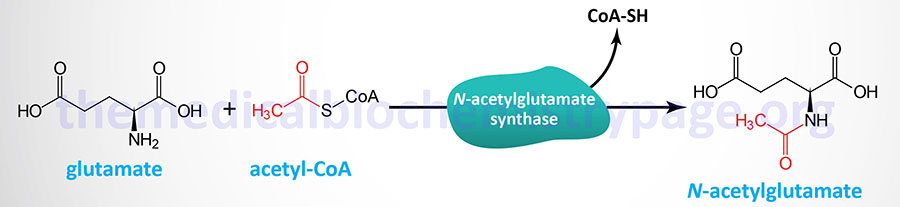
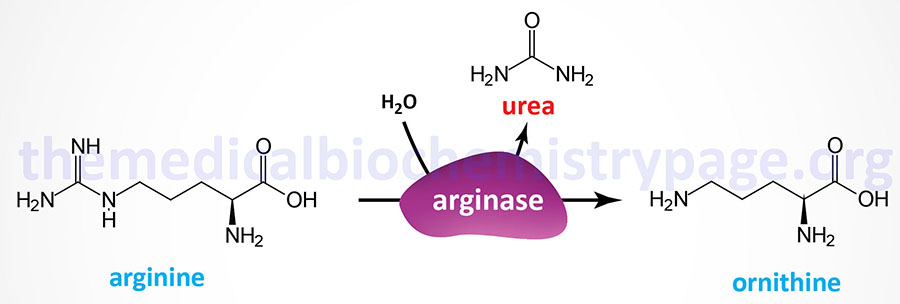
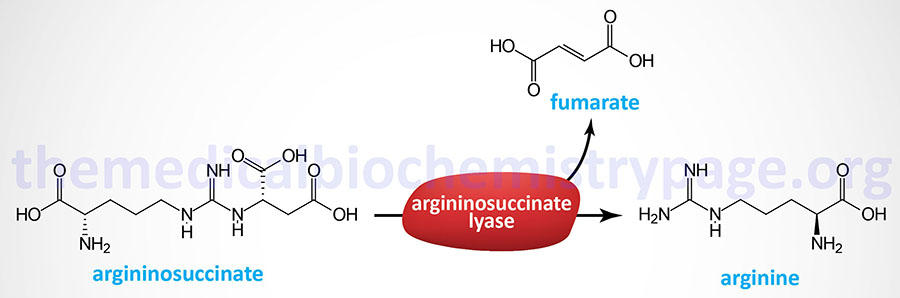
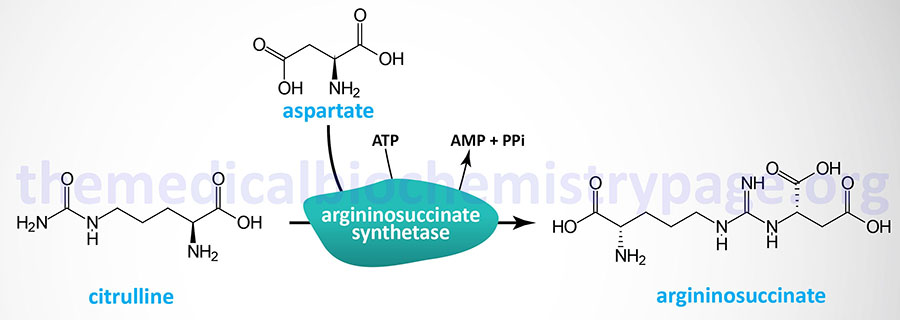
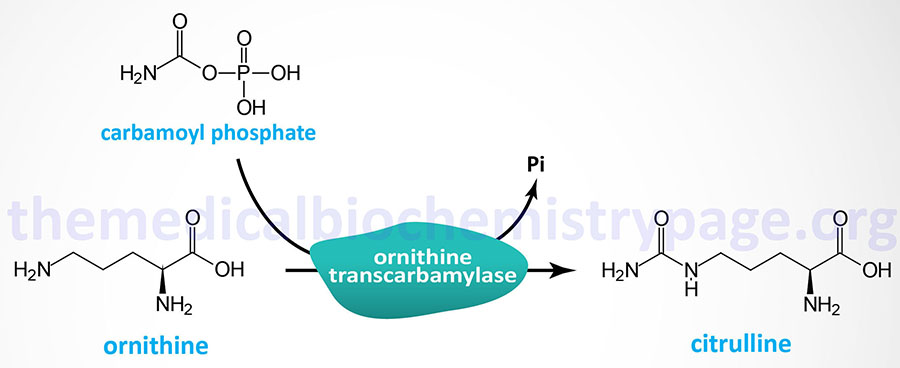
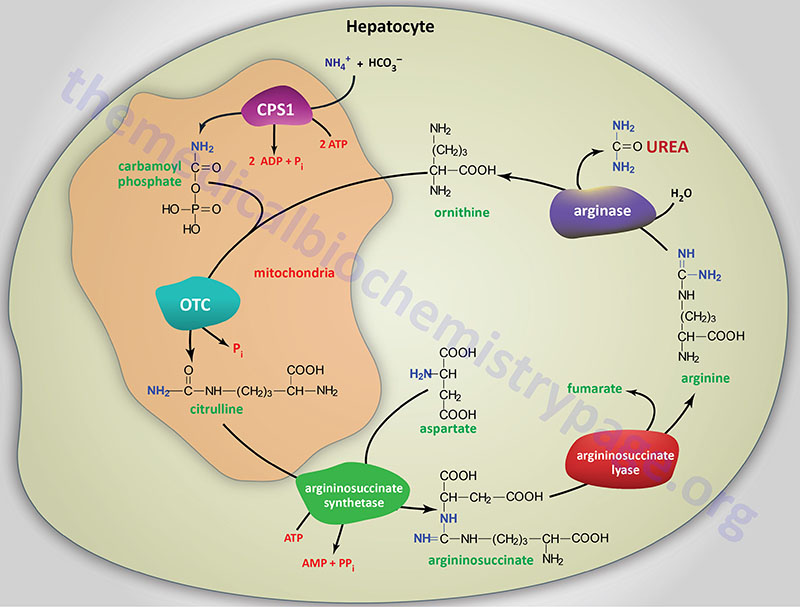
A complete lack of any one of the enzymes of the urea cycle will result in death shortly after birth. However, deficiencies in each of the enzymes of the urea cycle have been identified. In addition, deficiencies in N-acetylglutamate synthetase (NAGS), the enzyme necessary for the synthesis of N-acetylglutamate (NAG) which is required for allosteric activation of carbamoylphosphate synthetase I (CPSI), have been identified. Collectively, these enzyme deficiencies lead to the urea cycle disorders or UCDs. The most dramatic presentation of UCD symptoms occurs in neonates between 24 and 48 hours after birth (sometimes symptoms are delayed for several days). Afflicted infants exhibit progressively deteriorating symptoms due to the elevated ammonium levels. Deficiencies in arginase do not lead to symptomatic hyperammonemia as severe or as commonly as in the other UCDs. Deficiencies in carbamoylphosphate synthetase I (CPS I), ornithine transcarbamoylase (OTC), argininosuccinate synthetase (AS) and argininosuccinate lyase (AL) comprise the common neonatal UCDs. The urea cycle is diagrammed below. Click on an enzyme name to go to a descriptive page of the disease caused by deficiency in the enzyme.
back to Inborn Errors Page
Return to The Medical Biochemistry Page
Michael W King, PhD | © 1996–2011 themedicalbiochemistrypage.org, LLC | info @ themedicalbiochemistrypage.org